

 Veterinary Services
Managing Cat and Dog Allergies in Windermere, FL for Comfortable Skin
Constant scratching, paw licking, recurring ear infections, or irritated skin can make your pet miserable, and figuring out why it keeps happening is not always straightforward. At Windercare Animal Clinic, we evaluate cat and dog allergies by looking at the full pattern of your pet’s symptoms, health history, lifestyle, and exam findings.
Dr. Milani sees Windermere, FL pets for common dermatology concerns such as itching and persistent paw licking and works with you to identify likely triggers and create a treatment plan that fits your pet’s needs.
Call or text Windercare Animal Clinic at (407) 347-8353 to schedule your pet’s microchipping appointment.
What Are the Most Common Signs of Allergies in Dogs and Cats?
Pet allergies often show up through the skin rather than the sneezing and watery eyes people usually associate with allergies.
Common signs include:
-
Frequent scratching
-
Licking or chewing the paws
-
Red or irritated skin
-
Hair loss or thinning coat
-
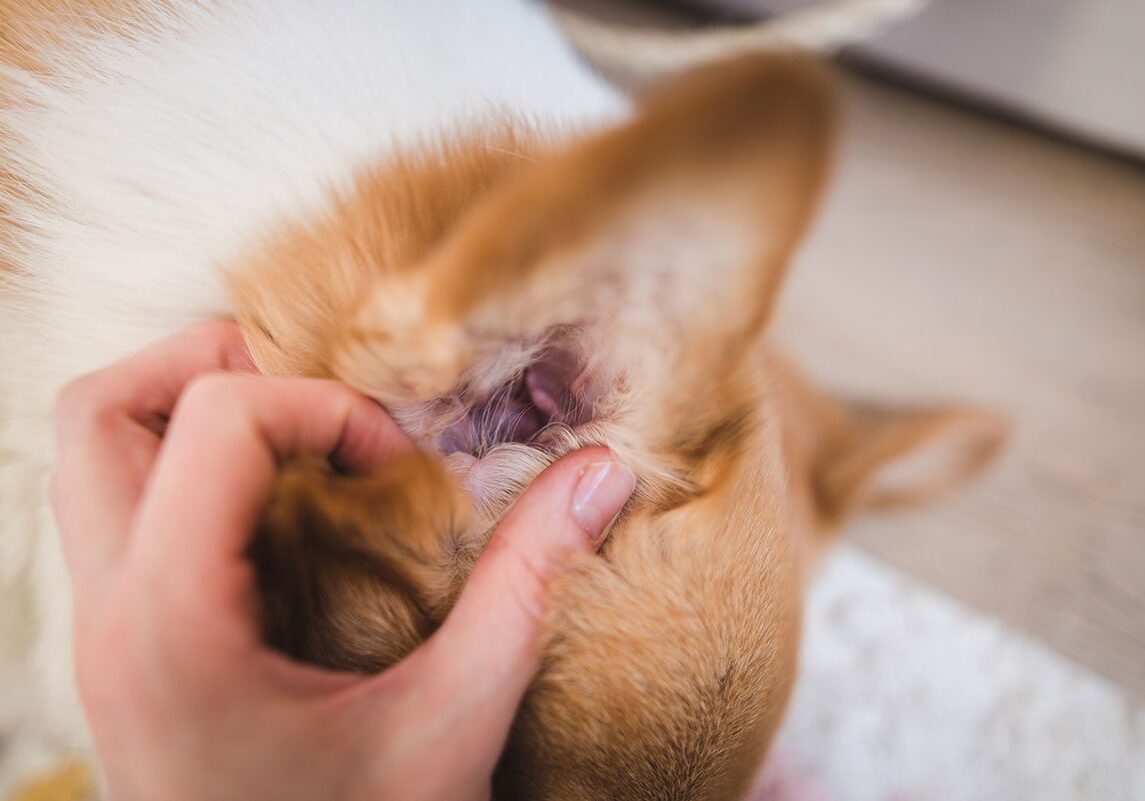
Recurring ear infections
-
Head shaking or ear scratching
-
Skin odor
-
Scabs or sores
-
Repeated rubbing of the face
-
Excessive grooming in cats
Some pets develop symptoms only during certain seasons, while others struggle year-round. The location and timing of the irritation can give Dr. Milani useful clues about what may be causing the problem.
What Causes Allergies and Skin Problems in Pets?
Several different problems can produce similar symptoms, which is why simply treating the itch does not always solve the problem long term.
Possible causes include:
Environmental Allergies
Dogs and cats can react to environmental allergens such as pollen, grasses, molds, dust, and other substances they encounter indoors or outside. Symptoms may be seasonal or continue throughout the year.
Flea Allergy
For pets with flea allergy dermatitis, even a small number of flea bites can trigger significant itching and skin inflammation. Consistent flea prevention can be an important part of managing these cases.
Food Allergies
Some pets develop reactions to ingredients in their diet. Food-related skin problems may cause ongoing itching, ear problems, or gastrointestinal signs and often require a structured dietary trial to evaluate properly.
Parasites and Other Skin Conditions
Fleas, mites, and other parasites can also cause itching, hair loss, and skin irritation. Medical conditions unrelated to allergies, such as Cushing’s disease or hypothyroidism, may produce similar symptoms, making an exam an important first step.

Why Does My Pet Keep Licking Their Paws?
Persistent paw licking is one of the most common signs that something is irritating your pet.
Allergies are one possible cause, but Dr. Milani will also consider other explanations such as infection, parasites, irritation, pain, or a problem affecting a specific paw. Looking at whether your pet licks one paw or several, whether the problem is seasonal, and whether there are additional skin or ear symptoms can help narrow the possibilities.
If paw licking becomes frequent enough to cause redness, staining, sores, or hair loss, it is worth having your pet examined.
How Are Pet Allergies Treated?
Treatment depends on what is causing the problem and how severe your pet’s symptoms are.
A care plan may involve:
-
Treating secondary skin or ear infections
-
Improving flea and parasite prevention
-
Managing itching and inflammation
-
Adjusting skin-care routines
-
Evaluating diet when food allergy is suspected
-
Reducing exposure to known triggers when practical
-
Monitoring how symptoms change over time
What Should You Expect at Your Pet’s Allergy and Skin Care Visit?
Your appointment will focus on understanding the pattern behind your pet’s symptoms rather than simply treating what is visible that day.
Dr. Milani will examine affected areas, ask about changes you have noticed at home, and review factors such as diet, parasite prevention, seasonality, and previous treatments. If testing or follow-up care is recommended, the team will explain what it is looking for and how the results may guide treatment.
Because allergy problems can change over time, follow-up visits may be an important part of determining what works best for your pet.
If your pet is battling constant itching, ear infections, or skin irritation, call or text us at (407) 347-8353 to set up a dermatology visit.