

Our Veterinary Blog

How to Help Dogs with Allergies
Few things tug at a dog owner’s heart like a pup who cannot get comfortable, scratching through the night and chewing at sore paws. The good news is that real relief exists. How to help dogs with allergies starts with a veterinary visit to find the cause, followed by a plan that may include trigger…

How Do You Know if Your Dog Has Allergies?
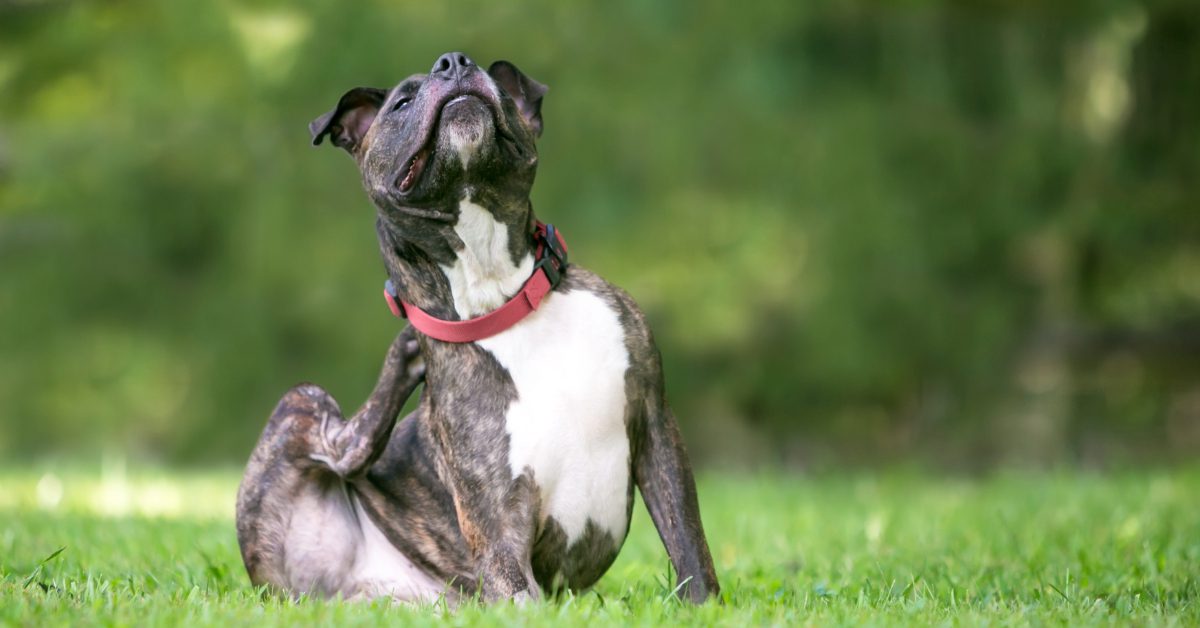
Take a close look at your dog’s paws tonight. Red skin, rusty-brown fur from constant licking, or a musty smell between the toes can all be early clues. So how do you know if your dog has allergies? Persistent itching, licking, chewing, recurring ear trouble, and skin changes that flare with the seasons are the…
Environmental Allergies in Dogs
“Why is my dog itching again?” It is one of the most common questions we hear from Windermere pet owners, and the answer is often environmental allergies in dogs. Treating environmental allergies in dogs starts with a veterinary diagnosis, followed by a plan that may combine allergen reduction, skin and coat support, and prescription options…
Dog Ear Infection Yeast vs. Bacterial: What Pet Owners Should Know
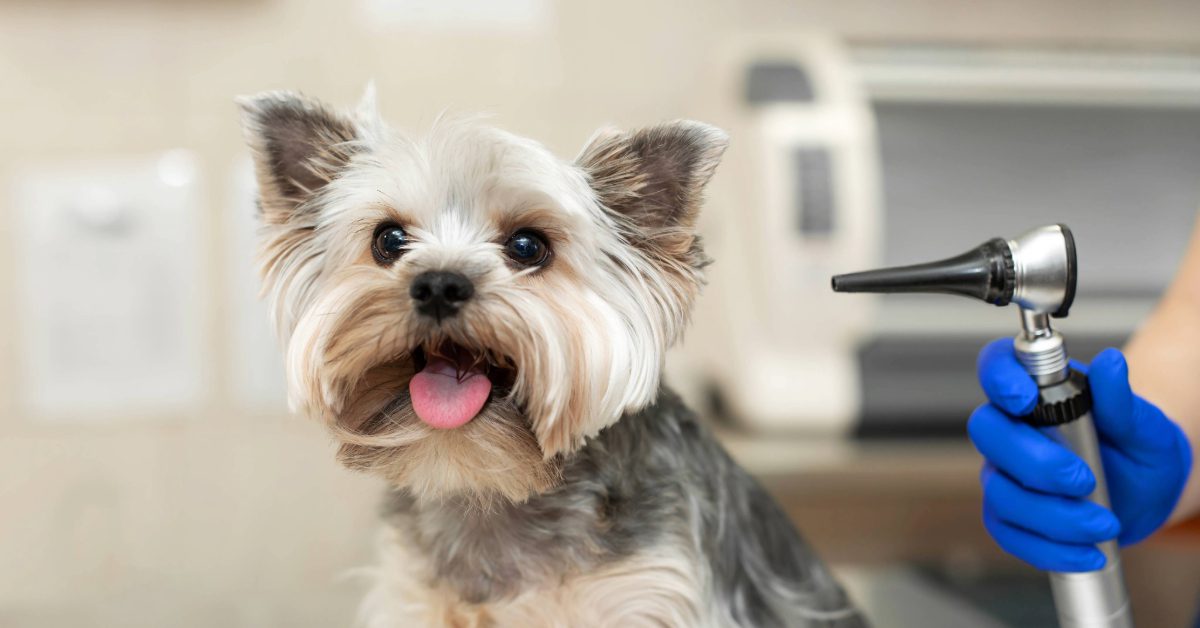
Two dogs can shake their heads in exactly the same way and still have very different things going on inside the ear. The difference in a dog ear infection yeast vs. bacterial comes down to the organism involved: yeast infections come from an overgrowth of fungus, while bacterial infections come from an overgrowth of bacteria.…
How to Prevent Ear Infections in Dogs
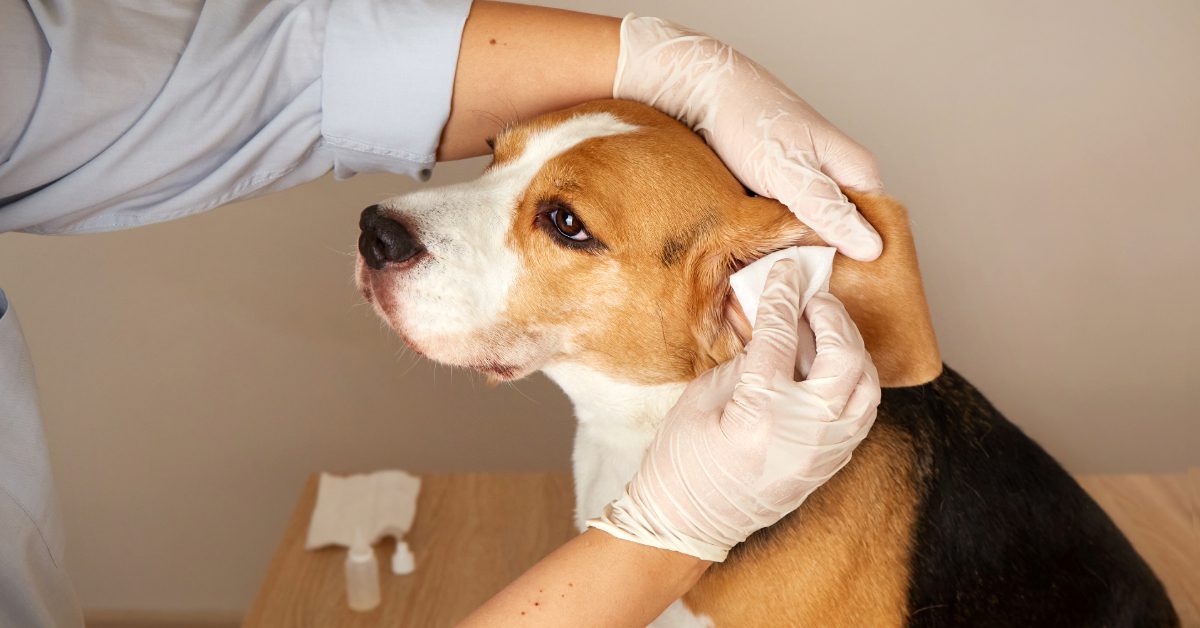
Your dog shakes their head, scratches at an ear, and suddenly you are wondering what went wrong. Here is the short answer on how to prevent ear infections in dogs: dry the outer ears after water play, check ears weekly, work with your veterinarian on allergies, and keep up with routine exams. Small habits add…
How to Clean a Dog’s Ears
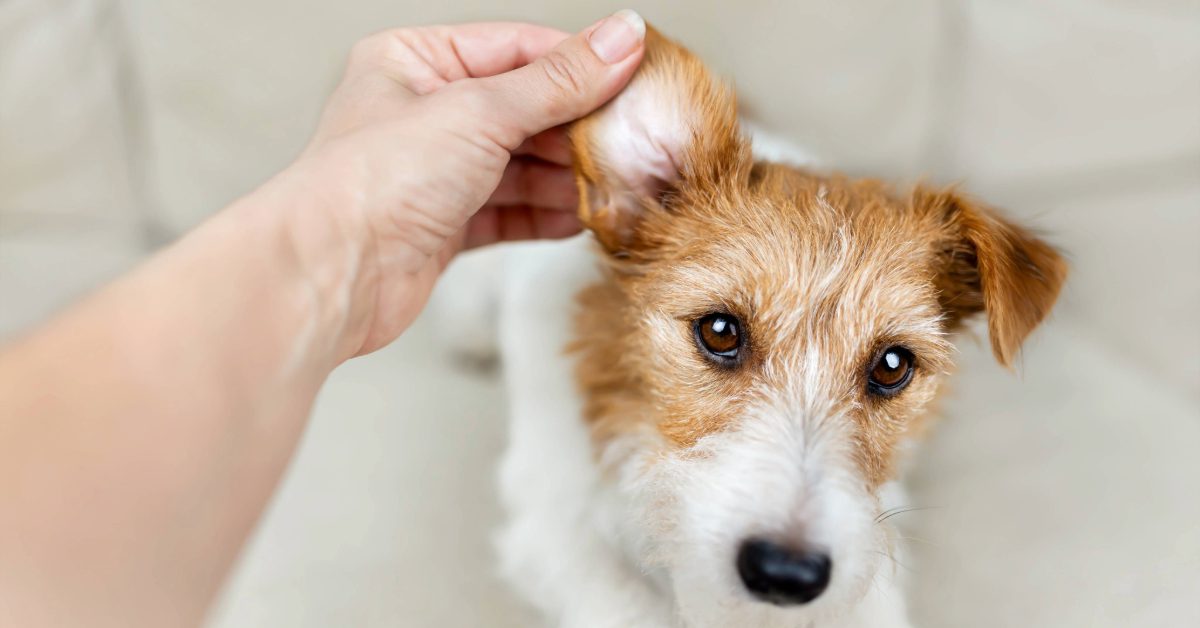
How to clean a dog’s ears comes down to three things: a veterinarian-approved ear cleaner, gentle wipes of the visible outer ear with gauze or cotton balls, and a calm, rewarding routine. Never push anything deep into the canal, and skip cotton swabs entirely. Done the right way, ear cleaning takes just a few minutes…
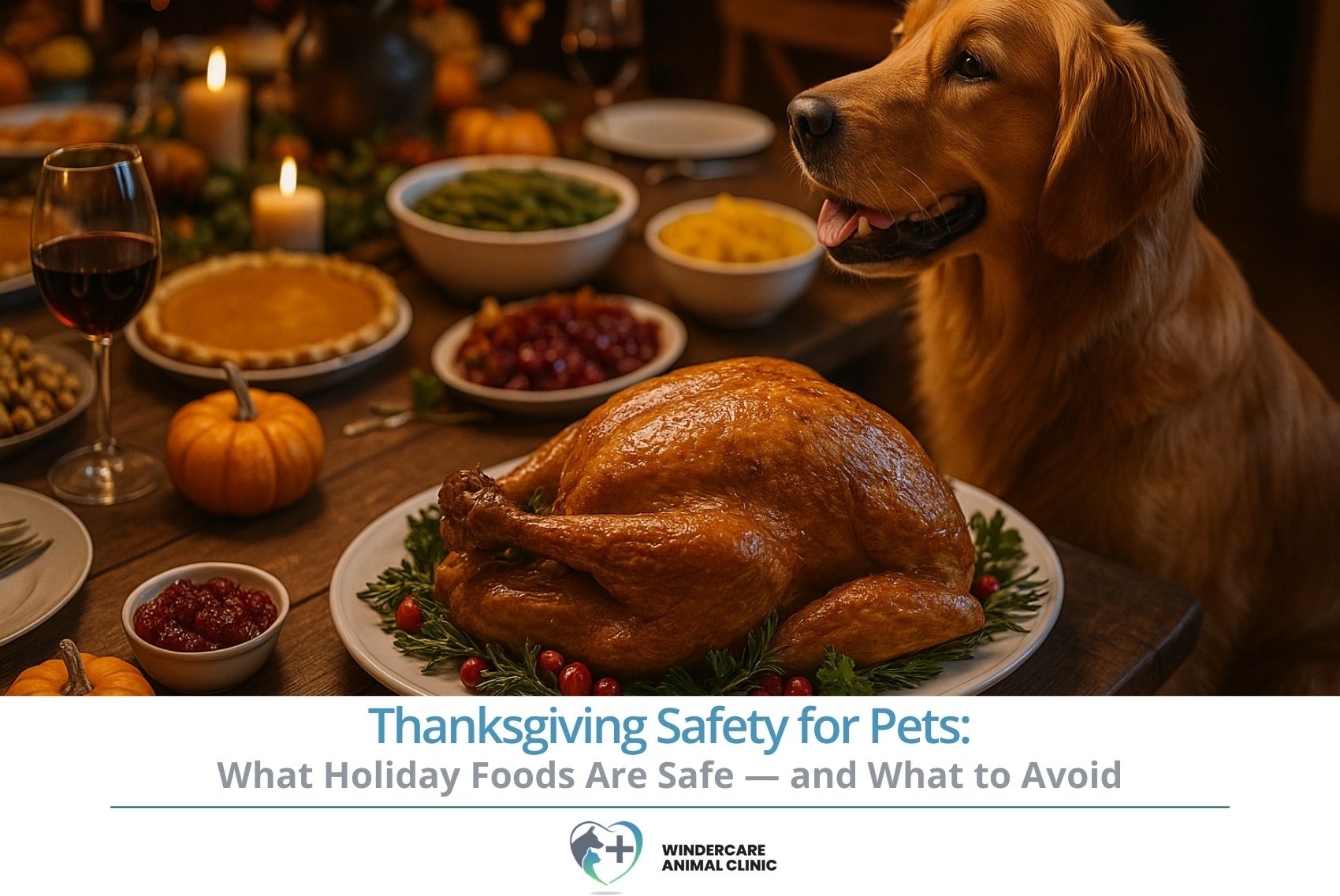
Thanksgiving Safety for Pets: What Holiday Foods Are Safe — and What to Avoid
A seasonal guide from Windercare Animal Clinic Thanksgiving is a time for gratitude, family gatherings, and unforgettable meals—but for our four-legged family members, the holiday can also bring unexpected dangers. From rich table scraps to travel stress, pets face a unique set of risks during this festive season. At Windercare Animal Clinic in Windermere, FL,…
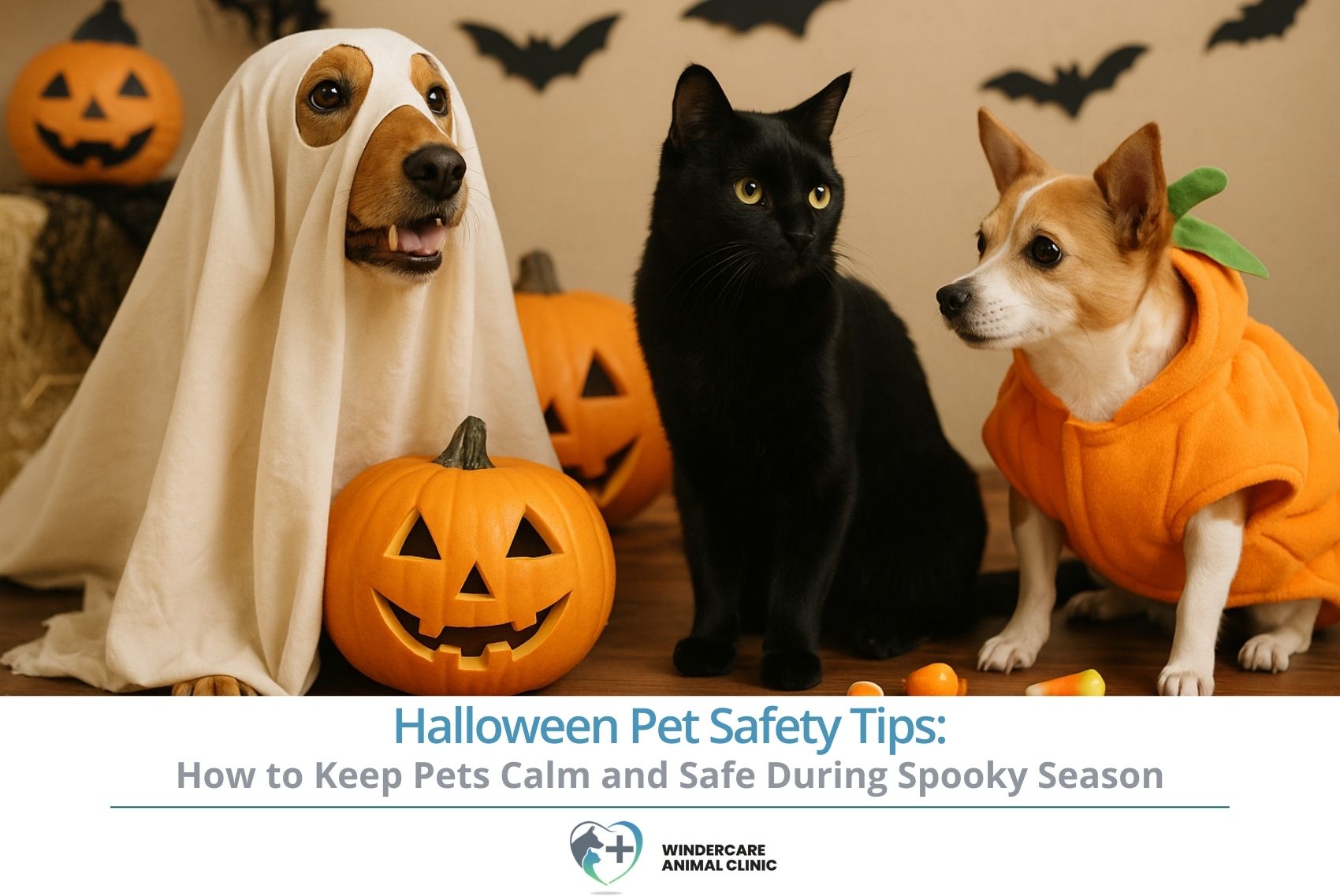
Halloween Pet Safety Tips: How to Keep Pets Calm and Safe During Spooky Season
As October rolls in, Halloween excitement begins—costumes, decorations, treats, and festive gatherings. But while the holiday is fun for people, it can be surprisingly stressful and dangerous for pets. At Windercare Animal Clinic, we want to ensure that your dogs and cats enjoy a safe and calm Halloween season. Below, we cover essential tips on…
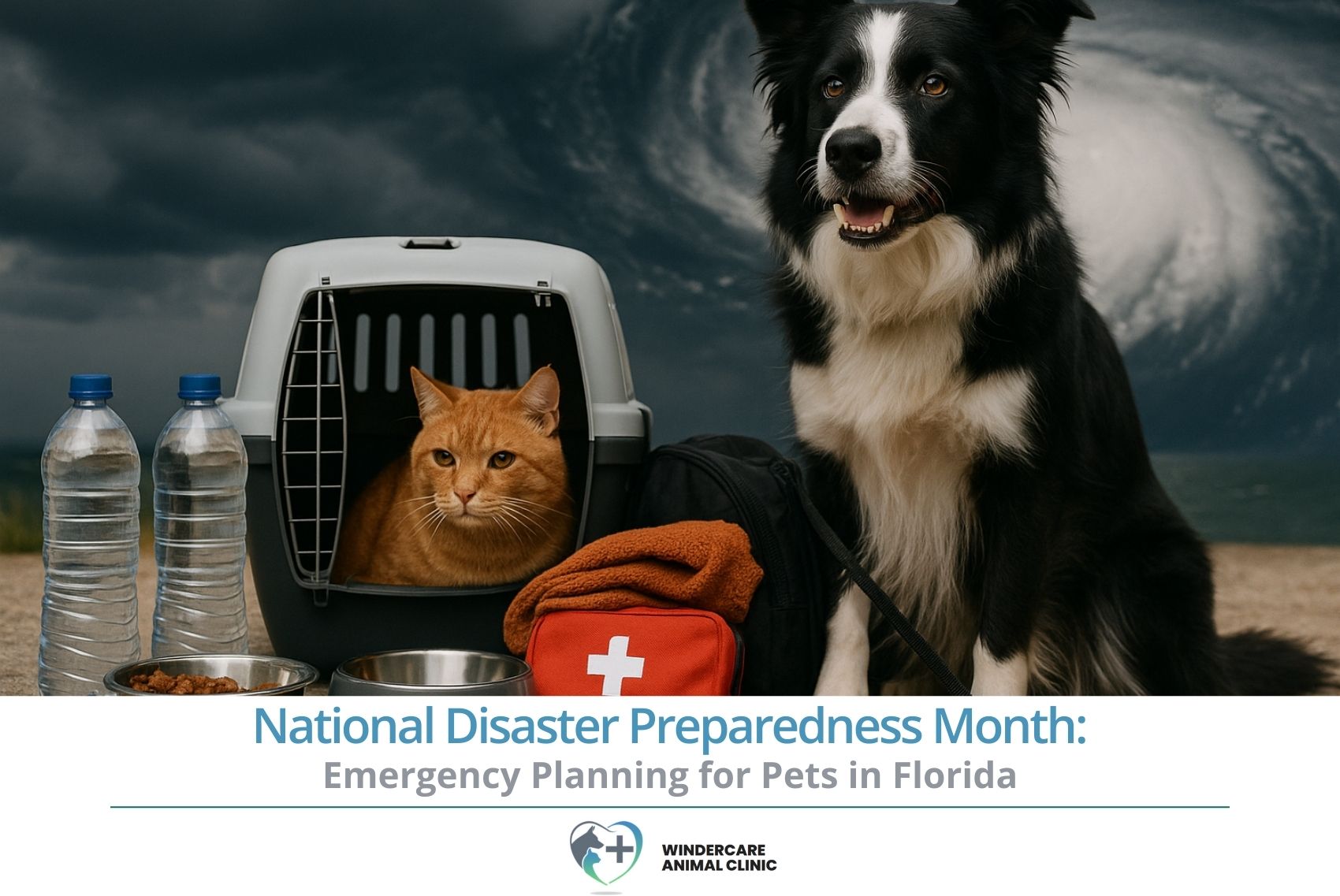
National Disaster Preparedness Month: Emergency Planning for Pets in Florida
Hurricane-season readiness, evacuation kits, microchipping importance, and stress response tips from Dr. Milani & Dr. Lemon Every September, Floridians enter a crucial period of reflection and preparation: National Disaster Preparedness Month. For pet owners, planning ahead is especially vital. Hurricanes, flooding, severe thunderstorms, and power outages can escalate quickly—and when they do, your pets depend…
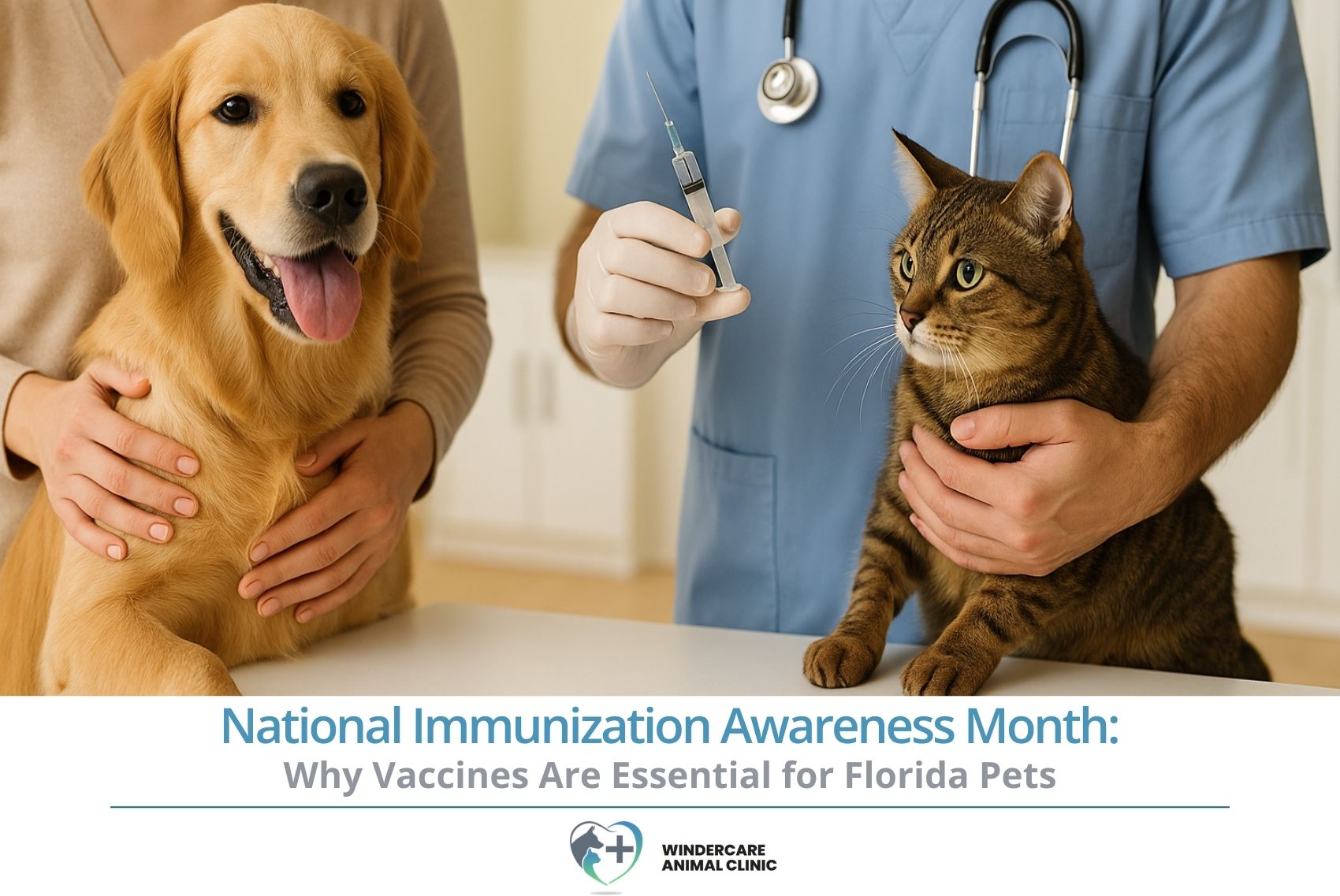
National Immunization Awareness Month: Why Vaccines Are Essential for Florida Pets
August is National Immunization Awareness Month, making it the perfect time to revisit one of the most important aspects of your pet’s long-term health: vaccines. Florida pets face unique health risks due to our warm climate, abundant wildlife, and year-round mosquito and parasite exposure. At Windercare Animal Clinic, we’re committed to helping Windermere families protect…