
 Veterinary Services
Cat and Dog Vaccinations in Windermere, FL, Tailored to Your Pet
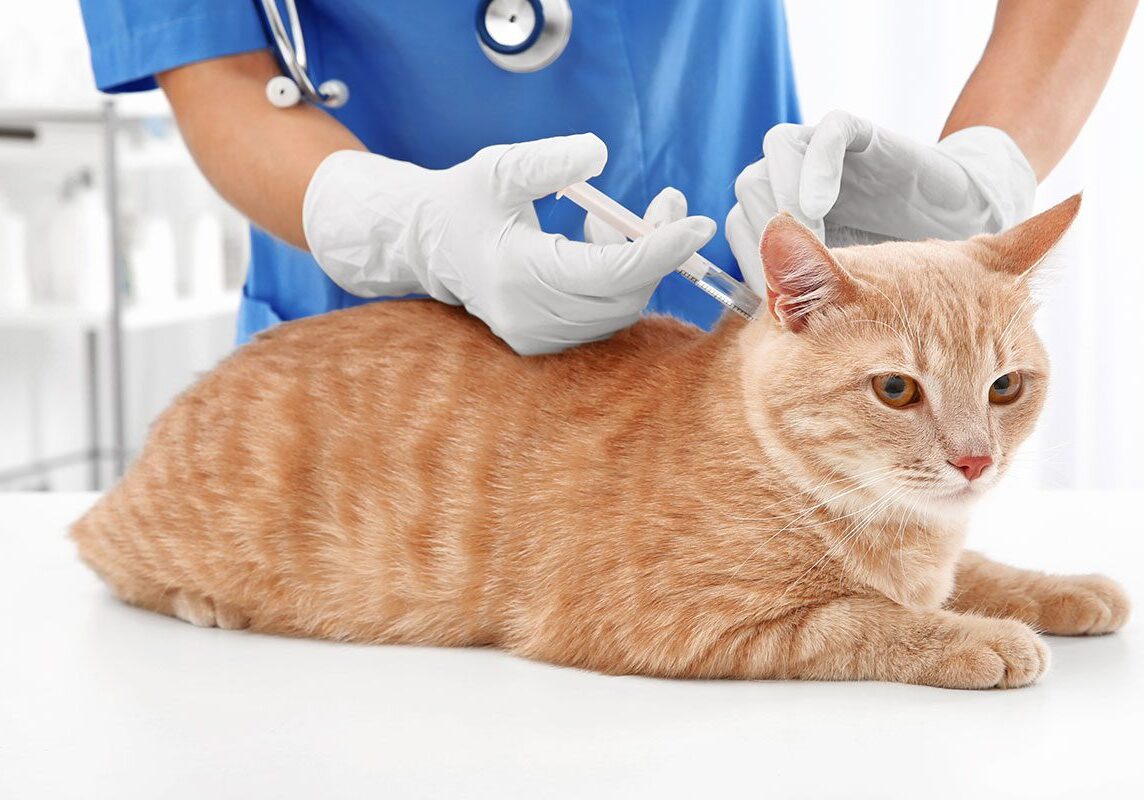
Vaccines help protect Windermere, FL dogs and cats from serious infectious diseases, but the right vaccination plan should reflect more than your pet’s age. Lifestyle, travel, exposure to other animals, health history, and previous vaccinations can all influence what protection makes sense.
At Windercare Animal Clinic, we provide cat and dog vaccinations with recommendations tailored to each patient. Dr. Milani follows established AVMA and AAHA vaccination guidance and considers your pet’s individual risk factors before recommending vaccines.
Call or text Windercare Animal Clinic at (407) 347-8353 to schedule your pet’s vaccination appointment.
Why Are Vaccinations Important for Dogs and Cats?
Vaccinations prepare your pet’s immune system to recognize and respond to specific infectious diseases. They can reduce the likelihood of infection and, depending on the disease and vaccine, may lessen the severity of illness if exposure occurs.
Vaccination also protects beyond the individual pet. Keeping more animals appropriately vaccinated can help reduce the spread of contagious diseases within the community, and among people and animals alike.
Which Vaccines Do Dogs Need?
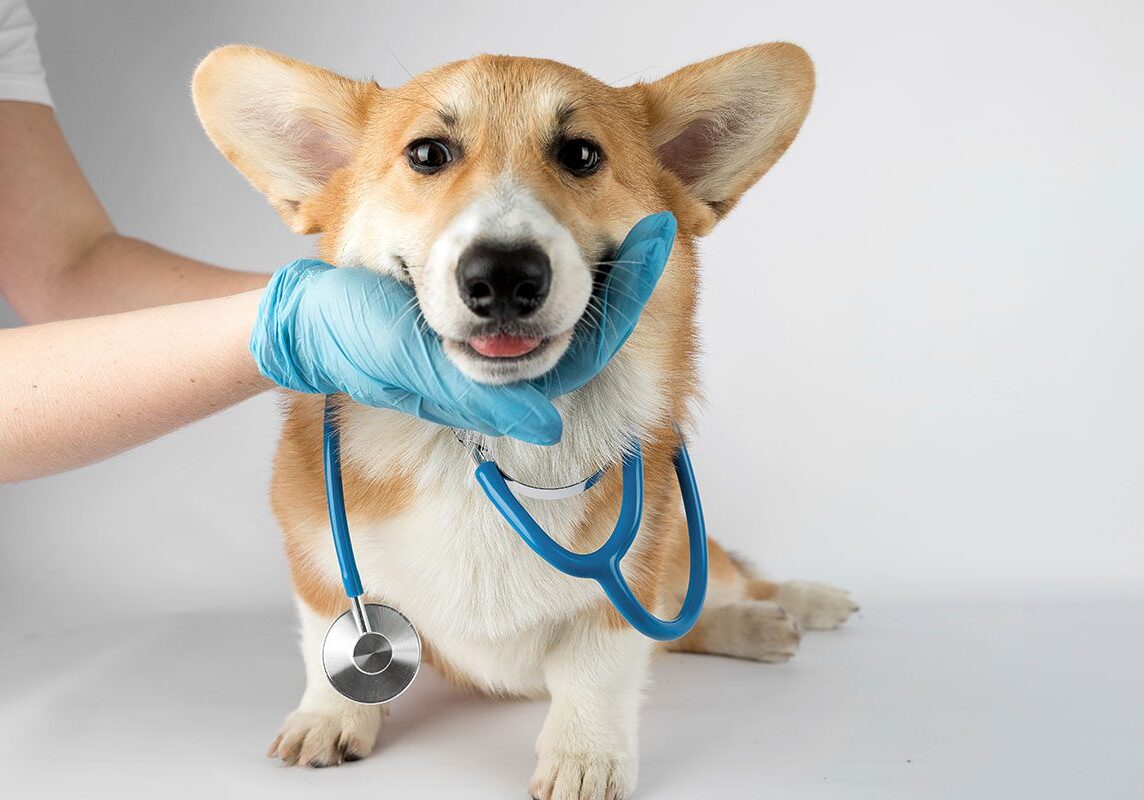
A dog’s vaccination plan typically includes vaccines recommended broadly for canine health along with additional vaccines based on lifestyle and exposure.
Which Vaccines Do Cats Need?
Cats need vaccination plans based on age, health history, indoor or outdoor lifestyle, and potential exposure to other cats.
What Should I Watch for After My Pet Gets Vaccinated?
After a vaccination visit, your pet may act completely normal, or they may decide the rest of the day is best spent sleeping somewhere comfortable. A little extra tiredness, temporary soreness, or less enthusiasm for dinner can happen as the immune system responds.
You may notice your dog is less interested in a long walk or your cat wants a little more space than usual. That is generally fine if they are otherwise comfortable and alert.
Give your pet an easy day, keep fresh water available, and avoid strenuous activity if they seem sore. If something feels out of character or your pet develops facial swelling, repeated vomiting, trouble breathing, collapse, or another sudden reaction, contact a veterinarian right away.
Call or text us today at (407) 347-8353 to schedule your pet’s vaccinations and keep them up to date.