

 Veterinary Services
Cat and Dog Microchipping in Windermere, FL for Lifelong Identification
A collar or ID tag can fall off, but a microchip stays with your pet. Cat and dog microchipping gives your Windermere, FL pet a permanent form of identification that can help reunite you if they are ever lost or separated from you.
At Windercare Animal Clinic, microchipping is a simple way to add another layer of protection for dogs and cats at any stage of life. The chip itself is small, the placement is quick, and once your contact information is registered, shelters and animal hospitals can scan your pet and use the chip number to help reach you.
Call or text Windercare Animal Clinic at (407) 347-8353 to schedule your pet’s microchipping appointment.
What Is a Pet Microchip?
A microchip is a tiny identification device placed just beneath your pet’s skin, typically between the shoulder blades. Each chip carries a unique identification number that can be read with a compatible scanner.
The microchip does not use GPS and does not track your pet’s location. Instead, it connects your pet’s unique chip number to the contact information you register with the microchip company.
If your pet is found, a shelter, veterinary clinic, or animal control agency can scan for a chip and use the registration information to help contact you.
Why Should You Microchip Your Dog or Cat?
Microchipping gives your pet a permanent form of identification that cannot fall off like a collar or tag.
It can be especially helpful if your pet:
-
Slips out of the house or yard
-
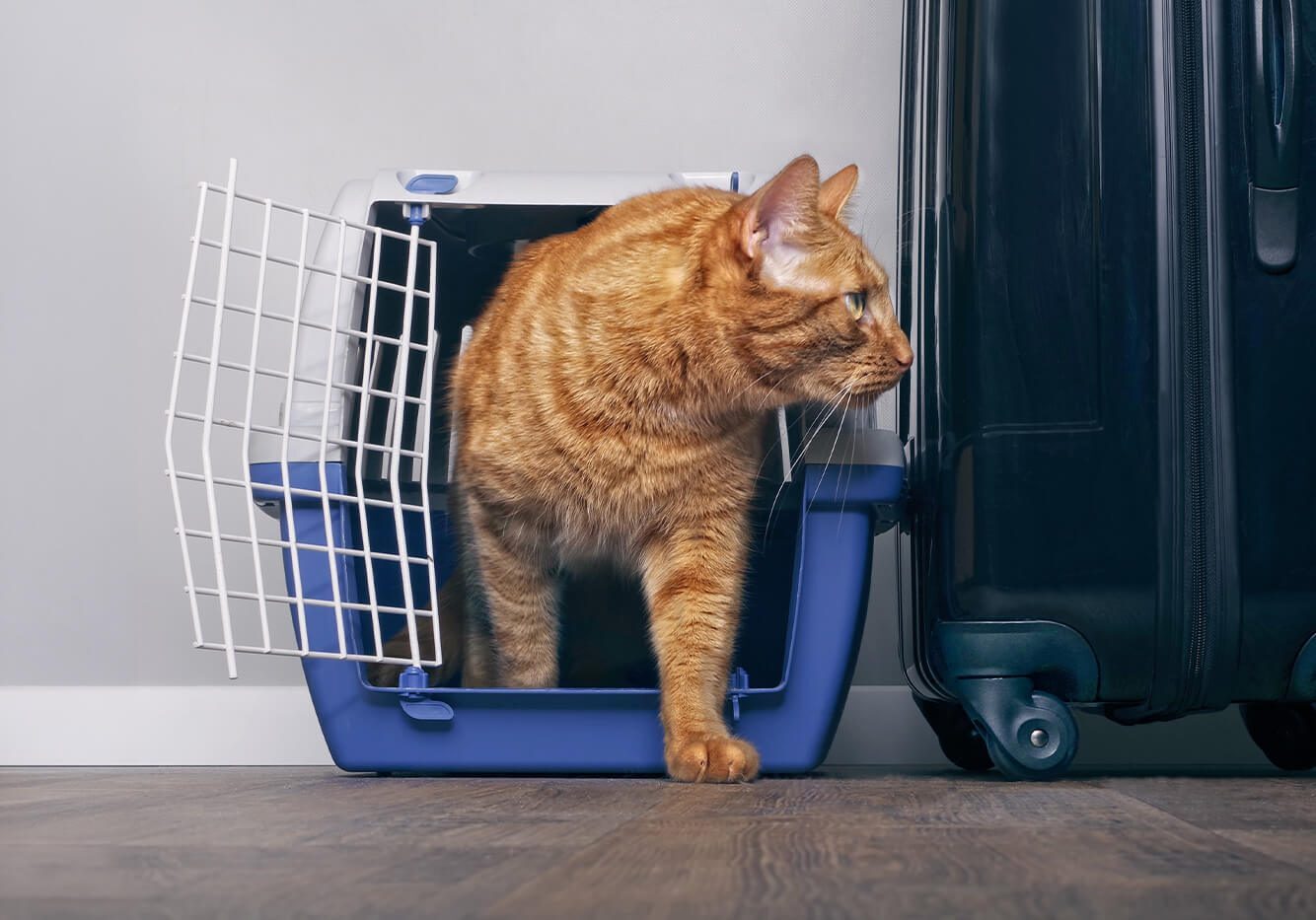
Gets loose during travel
-
Escapes during a storm or loud event
-
Loses a collar or identification tag
-
Is found far from home
-
Is brought to a shelter or veterinary hospital
Even indoor pets can benefit. Cats can slip through doors or windows unexpectedly, and dogs can get loose during routine activities or stressful events.
When Should a Pet Be Microchipped?
Dogs and cats can be microchipped at any age. Some owners choose to microchip puppies and kittens early, while others add a chip during a routine wellness visit or spay or neuter surgery.
If your pet already has a microchip, Dr. Milani can help confirm that it is still detectable with a scanner.
Does Microchipping Hurt?
Most pets experience only brief discomfort, similar to receiving an injection. The applicator needle is slightly larger than a standard vaccine needle because it needs to place the microchip under the skin. Many pets tolerate the procedure well, especially when it is performed calmly and efficiently.
If you have concerns about how your pet handles veterinary procedures, let the team know before the appointment so they can plan accordingly.
What Should You Do After Your Pet Is Microchipped?
The most important step happens after the chip is placed: register it.
A microchip can only help reunite you with your pet if the registration information is accurate. Make sure the registry includes your current:
-
Name
-
Phone number
-
Email address
-
Home address
-
Emergency contact, if available
Update the information whenever you move or change phone numbers.
If your pet hasn’t been microchipped, or you’d like to make sure their chip is still functioning properly, call or text our team at (407) 347-8353 to set up an appointment.