

How to Prevent Ear Infections in Dogs
Your dog shakes their head, scratches at an ear, and suddenly you are wondering what went wrong. Here is the short answer on how to prevent ear infections in dogs: dry the outer ears after water play, check ears weekly, work with your veterinarian on allergies, and keep up with routine exams. Small habits add up to real protection.
Ear infections rank among the most common reasons dogs visit the vet, and Central Florida’s warm, humid climate gives them plenty of chances to develop. The good news is that many cases are preventable with steady routines and a strong partnership with your veterinary team. At Windercare Animal Clinic in Windermere, we help dog owners spot trouble early and build habits that fit each pet. This guide explains how ear infections start, which everyday habits help, which dogs need extra attention, and when to book a visit.
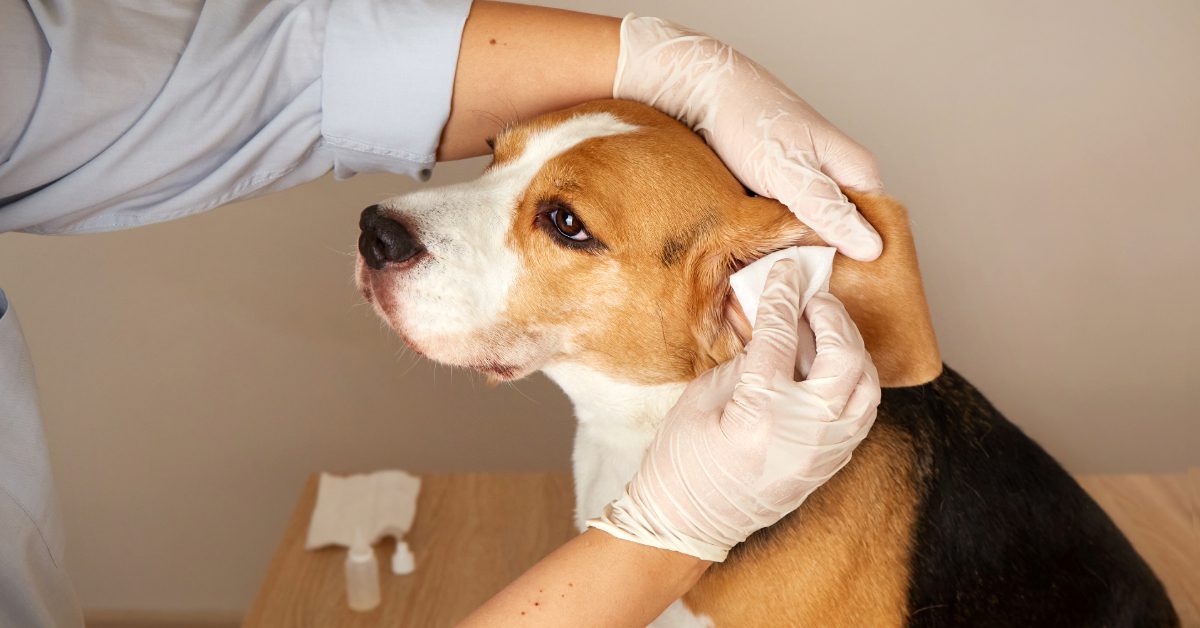
How Do Dogs Get Ear Infections?
Ear infections usually begin when something upsets the healthy balance inside the ear canal.
A dog’s ear canal is long, narrow, and L-shaped, which makes it warm and sheltered. Yeast and bacteria live there naturally, and they cause no trouble while conditions stay balanced. Problems start when moisture, allergies, or debris tip the scales and those organisms multiply. Understanding the causes is the first step toward knowing how to prevent ear infections, because each trigger points to a habit or a vet visit that can help.
Common Triggers Behind Ear Infections
- Moisture trapped after swimming or bathing
- Environmental or food allergies that inflame the skin
- Excess wax or debris that builds up in the canal
- Parasites such as ear mites
- Foreign material, including grass seeds and dirt
- Extra hair growing inside the ear canal
- Underlying health conditions that affect the skin
Why Florida Dogs Face Extra Challenges
Central Florida gives dogs plenty to love, including pools, lakes, and sunny walks nearly every day of the year. It also brings humidity that can leave ears damp long after playtime ends, plus pollen and other allergens that stay active across the seasons. Local dogs can face more ear moisture and allergy challenges than dogs in drier climates, so a steady prevention routine matters here.
Why Infections Can Return
Many ear infections come back because the original cause never went away. An allergy, a hairy canal, or a love of swimming can set the stage again and again. That is why a veterinary exam matters. Our team can look for the underlying reason instead of focusing only on the surface.
What Daily Habits Help Prevent Dog Ear Infections?
Simple, consistent habits do most of the work when it comes to dog ear infection prevention. Learning how to prevent ear infections in dogs does not require fancy equipment or a long routine. A few minutes of attention each week, plus a little care after water exposure, can make a meaningful difference. The goal is to keep ears comfortable and catch changes before they grow into bigger problems.
Dry the Outer Ears After Water Fun
After a swim or a bath, gently pat the ear flap and the visible outer ear with a clean, dry towel. Never push anything into the canal. Moisture that lingers in the ear creates the kind of environment that yeast and bacteria love, so a quick towel-dry after water play is one of the easiest prevention steps you can take. Ask our team if your dog might benefit from a vet-approved drying product.
Make Weekly Ear Checks a Habit
Pick a regular day, lift each ear flap, and take a quick look and a gentle sniff. Knowing what is normal for your dog helps you notice when something changes. Healthy ears generally show these signs:
- Clean skin with a pale pink color
- Little to no odor
- No visible discharge or crusting
- A dog who stays relaxed when you touch the ears
Clean Only When It Is Needed
More cleaning does not always mean better protection. Over-cleaning can irritate the skin and upset the ear’s natural balance. If you are not sure whether your dog needs a cleaner, or which one to choose, ask your veterinarian. We are always happy to recommend a product and show you the technique during a visit.
Choose Bath Time Wisely
Whether you bathe your dog at home or use a groomer, make sure the ears get gentle treatment and plenty of drying afterward. Let your groomer know about any past ear problems so they can take extra care.
Which Dogs Are Most at Risk for Ear Infections?
Some dogs are simply more prone to ear trouble because of their anatomy, lifestyle, or health. Knowing your dog’s risk level helps you decide how closely to watch their ears and how often to schedule checkups. If your pup fits one or more of the categories below, a tailored prevention plan from your veterinarian can be especially valuable.
Breed and Ear Shape
Dogs with long, floppy ears, such as cocker spaniels, basset hounds, and retrievers, often have less airflow into the canal. Breeds with hairy ear canals, including poodles, schnauzers, and many doodle mixes, can trap wax and moisture more easily. Dogs with very narrow canals may also have a harder time clearing debris.
Lifestyle Factors
Water-loving dogs face frequent moisture exposure. Dogs who spend lots of time outdoors, hiking through brush or playing in grass, also pick up more debris. Neither lifestyle is a problem on its own, but both call for regular ear checks. Hot, rainy summer days can add even more moisture to the mix, so extra attention during those months pays off.
Dogs That Benefit from a Custom Plan
- Dogs with floppy or heavily furred ears
- Frequent swimmers and bath lovers
- Dogs with skin or food allergies
- Pets who have had ear infections before
- Dogs with hair growing deep in the ear canal
If your dog appears on this list, talk with our team about the best way to approach how to prevent ear infections. A personalized plan beats a one-size-fits-all routine every time, and it gives you clear answers about what to do, what to avoid, and when to call.
When Should You See the Vet to Prevent Ear Infections?
Prevention includes professional care, because your veterinarian can see what you cannot. Even attentive owners cannot see deep into the ear canal, which is why vet visits are a key part of how to prevent ear infections in dogs. Regular exams give your veterinary team the chance to spot early changes and recommend the right steps before a mild issue becomes an uncomfortable one.
Make Ears Part of Every Wellness Visit
Your dog’s ears should be examined during routine wellness exams. Mention any head shaking, scratching, or odor you have noticed at home, even if it seems minor. Those small details help us understand your dog’s risk and guide your prevention plan. Your veterinarian can also check for hair growth, wax buildup, and skin changes that are easy to miss at home, and can suggest how often your particular dog should come in for ear-focused checkups. Dogs with allergies or a history of ear trouble may benefit from more frequent visits, while low-risk dogs may do well with a standard schedule.
Know the Early Warning Signs
Call Windercare Animal Clinic at (407) 347-8353 if you notice repeated head shaking, scratching at the ears, redness, swelling, a strong smell, unusual discharge, or pain when the ears are touched. A head tilt or loss of balance also deserves prompt attention. These signs call for an exam, not a guess.
Please Skip Leftover Medications and Home Remedies
It can be tempting to reach for an old bottle or an online remedy, but the wrong product can irritate the ear or mask a problem that needs a real diagnosis. Ear infections that linger can become painful and harder to resolve, so a prompt visit is the kind choice for your dog.
A Healthier Ear Routine Starts Here
Ear infections may be common, but they are not inevitable. A towel after the swim, a quick look each week, and regular checkups give your dog a real advantage against painful flare-ups. Once you understand how to prevent ear infections in dogs, those small steps start to feel like a natural part of life with your pet.
Windercare Animal Clinic is ready to help you build an ear care plan that fits your dog’s breed, lifestyle, and Florida adventures. Bring your questions to your next appointment, and our team will gladly look at those ears with you. Whether your dog is a lifelong swimmer, a floppy-eared cuddle bug, or a pup with a sensitive streak, we are happy to help you find routines that feel easy to follow.
Picture your dog leaping out of the lake, shaking off the water, and trotting home with comfortable, healthy ears. That is the picture good prevention paints.
Recent Posts
About Us
Windercare Animal Clinic in Windermere, FL combines modern veterinary medicine with the personal attention and consistency of an independently owned practice. Dr. Peiman Milani provides individualized care for dogs and cats, with services ranging from preventive care and diagnostics to same-day sick visits and house calls. With the same veterinarian at each visit, low-stress handling, and flexible care options, Windercare creates a more comfortable and connected veterinary experience for pets and their families.